

In a fast-paced food service environment, floors are not just surfaces to walk on. They are a core part of safety, hygiene, and daily efficiency. Spills, heat, grease, and heavy equipment can destroy ordinary flooring in no time. This is why professional kitchens are shifting toward high-performance solutions that can handle the pressure. A modern flooring system does more than look clean. It supports staff movement, reduces risks, and protects the long-term investment of your kitchen infrastructure.
One small change in flooring can quietly improve operations across the entire workspace, from prep areas to dishwashing zones.
Why Commercial Kitchen Epoxy Flooring Is Built for Demanding Environments
Commercial kitchen epoxy flooring is engineered to perform in conditions where moisture, oils, and constant foot traffic are unavoidable. Unlike tiles with grout lines or porous concrete, epoxy forms a seamless surface that resists absorption and staining. This creates a cleaner environment and simplifies daily sanitation routines.
Beyond hygiene, epoxy flooring provides excellent chemical resistance. Cleaning agents, food acids, and grease do not break down the surface over time. This durability means fewer repairs, less downtime, and more predictable maintenance costs for business owners.
Here is one practical benefit many operators appreciate:
-
A seamless epoxy surface reduces hiding spots for bacteria, making compliance with food safety standards easier to maintain.
Key Performance Benefits for Professional Kitchen
Safety That Supports Staff Performance
Slip resistance is a major concern in any kitchen. Epoxy systems can be customized with textured finishes that improve traction without making the surface uncomfortable to walk on. This balance helps reduce workplace accidents while still allowing smooth movement of carts and equipment.
Heat resistance is another overlooked advantage. Commercial kitchens deal with high temperatures from ovens, fryers, and steam. Quality epoxy flooring maintains its integrity under thermal stress, preventing cracks and surface breakdown.
Design Flexibility That Enhances Workflow
Functionality does not have to mean dull design. Epoxy flooring can be installed in various colors and patterns to define zones such as prep areas, cooking lines, and cleaning stations. This visual organization improves workflow and supports training for new staff members.
For example, a restaurant can use a lighter tone in prep zones to make spills more visible and darker tones in high-traffic paths to reduce the appearance of wear. This subtle design choice helps maintain a professional look even during peak service hours.
Installation and Maintenance Best Practices
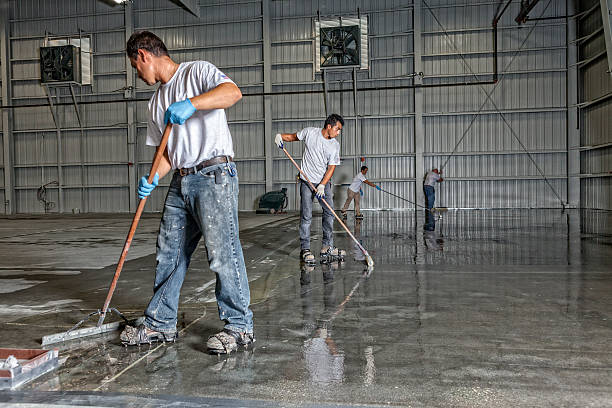
A successful epoxy floor starts with proper surface preparation. Concrete must be cleaned, repaired, and profiled to ensure strong adhesion. Rushing this step can lead to premature peeling or bubbling, which defeats the purpose of investing in a premium flooring system.
Once installed, maintenance is refreshingly simple. Routine cleaning with non-abrasive solutions keeps the surface sanitary and visually appealing. There is no grout to scrub and no porous material to seal repeatedly.
Pro Tip: Schedule installation during planned downtime or off-peak seasons to avoid disrupting kitchen operations and to allow full curing time for maximum durability.
Long-Term Value for Restaurant Owners and Facility Managers
While the upfront cost of epoxy flooring may seem higher than basic alternatives, the long-term value often tells a different story. Reduced maintenance, fewer repairs, and improved safety can translate into real savings over time. Additionally, a clean and well-maintained kitchen floor reflects positively during inspections and audits, which can protect your brand reputation.
For catering facilities, hotels, and institutional kitchens, consistency across multiple locations is another advantage. Epoxy systems can be standardized, creating uniform performance and appearance across properties.
Conclusion
Choosing the right flooring for a professional kitchen is not just a design decision. It is a strategic investment in safety, hygiene, and operational efficiency. Epoxy flooring offers a seamless, durable, and adaptable solution that meets the demanding realities of modern food service environments. When installed and maintained correctly, it becomes a quiet partner in daily success, supporting staff, protecting equipment, and preserving the professional standards every commercial kitchen strives to uphold.